How to Check a Used Car Before Buying in 2026

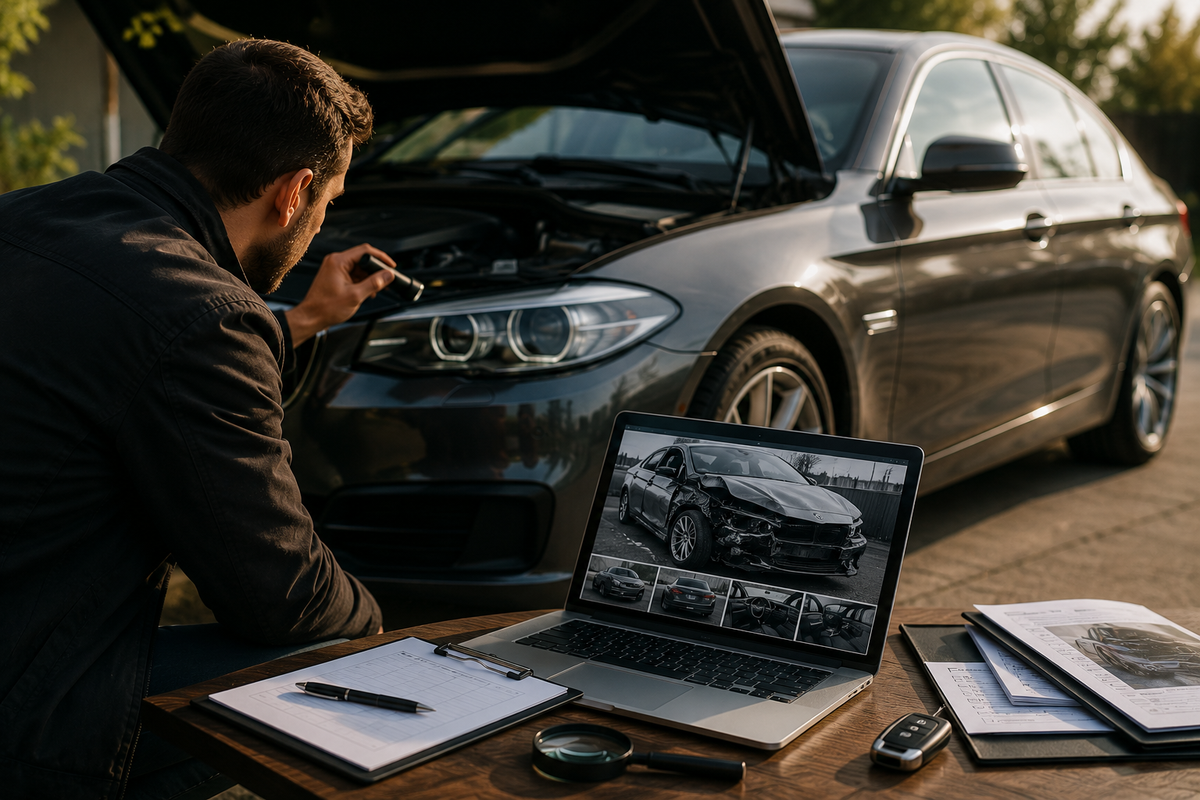
Buying a used car has become much more complicated than it was just a few years ago.
Modern vehicles move between countries, appear at auctions, get repaired, resold, exported, and sometimes rebuilt multiple times before reaching the next owner.
Because of that, checking only the exterior condition is no longer enough.
Here are the most important things every buyer should check before purchasing a used vehicle in 2026.
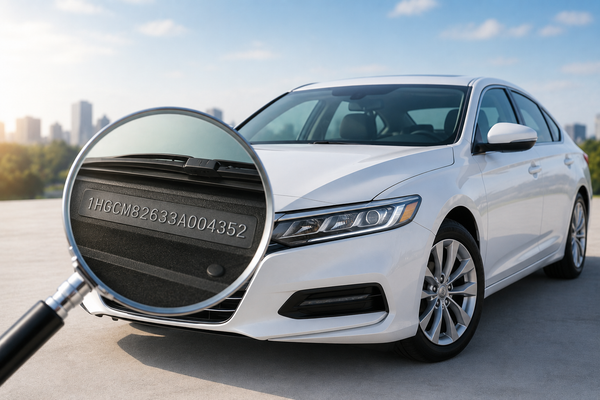
1. Start With the VIN Number
The VIN is the vehicle’s digital identity.
Before even meeting the seller, ask for the VIN and check:
- accident history;
- title records;
- auction listings;
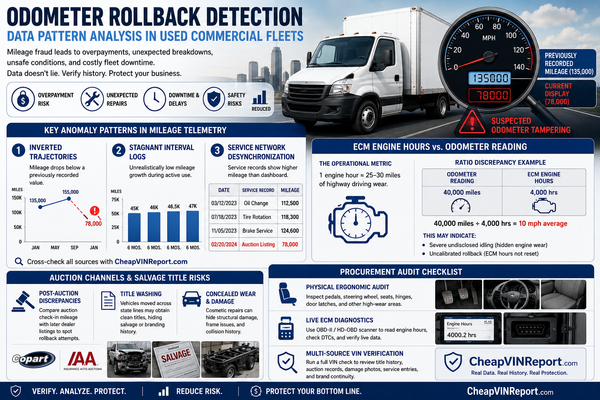
- mileage history;
- ownership changes;
- salvage or rebuilt records.
A detailed VIN report can often reveal problems that are completely invisible in photos or ads.
If a seller refuses to provide the VIN before the meeting, that should immediately raise questions.
2. Look Beyond “Clean Title”
Many buyers still believe that “clean title” automatically means the vehicle has never been seriously damaged.
Unfortunately, that is not always true.
Some heavily damaged cars can still keep clean titles because:
- repairs were done privately;
- insurance thresholds were not reached;
- title rules differ between states;
- or the vehicle changed regions multiple times.
That’s why title status alone should never be your only verification method.
3. Check Old Auction Photos
One of the biggest mistakes buyers make is relying only on current photos.
Auction archives can sometimes reveal:
- severe front-end damage;
- deployed airbags;
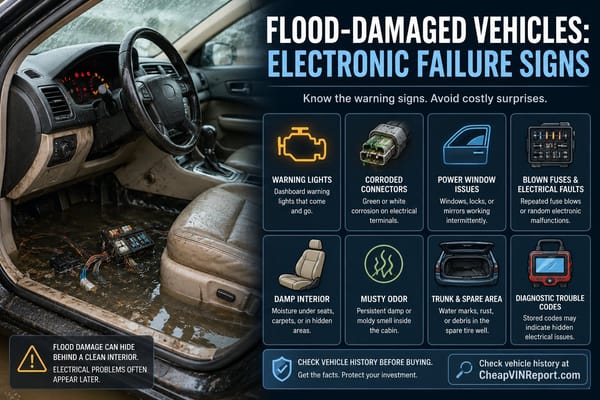
- flood damage;
- missing parts;
- or structural repairs from previous years.
In many cases, auction photos show the real condition of the car before restoration.
4. Inspect the Car in Daylight
Never inspect a vehicle at night or in heavy rain.
Daylight makes it easier to notice:
- paint differences;
- uneven body gaps;
- panel replacements;
- welding traces;
- rust;
- and poor repair quality.
Walk around the car slowly and look carefully at reflections in the paint.
5. Pay Attention to Electronics
Modern vehicles depend heavily on electronics and sensors.
After accidents or flooding, electrical problems may appear months later.
Check:
- dashboard warnings;
- cameras and parking sensors;
- infotainment systems;
- adaptive cruise control;
- lighting;
- windows and seat electronics.
Electronic repairs can become extremely expensive.
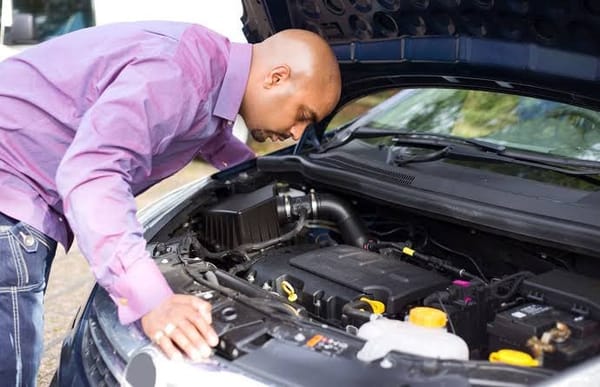
6. Get a Pre-Purchase Inspection
Even experienced buyers can miss hidden problems.
A professional pre-purchase inspection can help identify:
- frame damage;
- engine leaks;
- suspension problems;
- transmission wear;
- and hidden repairs.
In many cases, spending a few hundred dollars on inspection can save thousands later.
Final Thoughts
The used car market in 2026 is more global, more digital, and more complicated than ever before.
A vehicle may look perfect online while hiding years of repairs, auctions, or insurance history underneath.
That’s why smart buyers no longer rely on appearance alone.
The safest purchase decisions usually come from combining:
- VIN history checks;
- auction research;
- physical inspection;
- and independent mechanical evaluation.