Three Japanese Models Buyers Should Check Before Importing in 2026

The U.S. used car market continues to show surprising strength. After several years of price fluctuations, wholesale values have climbed to their highest level in nearly three years, signaling renewed pressure on buyers and dealers alike.
According to the latest data from Cox Automotive's Manheim Used Vehicle Value Index, wholesale prices increased significantly during the spring, driven by limited inventory and steady consumer demand. Industry analysts note that fewer late-model vehicles are entering the used market, while many buyers continue choosing pre-owned cars over expensive new models.
Why Prices Are Rising Again
Several factors are contributing to the current market conditions.
First, many consumers continue to delay purchasing new vehicles because of higher interest rates and elevated new-car prices. Instead, shoppers are looking for quality used vehicles that offer better value.
At the same time, dealerships are competing for a limited supply of desirable vehicles at wholesale auctions. This increased competition pushes auction prices higher, which eventually affects retail prices as well.
Another factor is that Americans are keeping their vehicles longer than ever. With fewer trade-ins entering the market, dealerships have a smaller inventory to choose from, especially for popular SUVs, pickup trucks, and reliable family sedans.
What It Means for Buyers
For consumers, higher wholesale prices generally translate into higher prices on dealership lots.
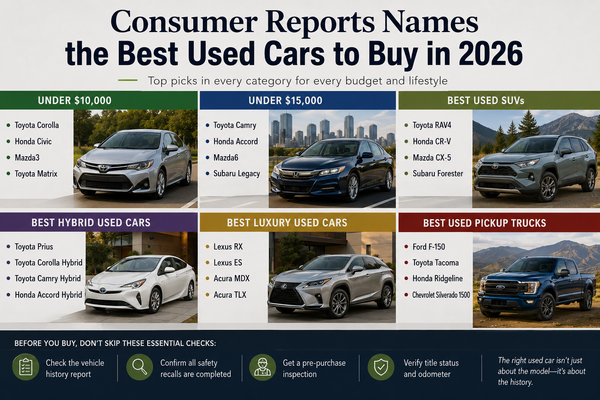
However, experts point out that shoppers can still find good deals by:
- comparing prices across multiple sellers;
- considering certified pre-owned vehicles;
- expanding their search to neighboring states;
- being flexible about trim levels and colors;
- researching vehicle history before making a purchase.
A slightly older vehicle with a documented maintenance history can often provide better long-term value than a newer vehicle with an unknown background.
Vehicle History Matters More Than Ever
As prices increase, buyers naturally want to protect their investment.
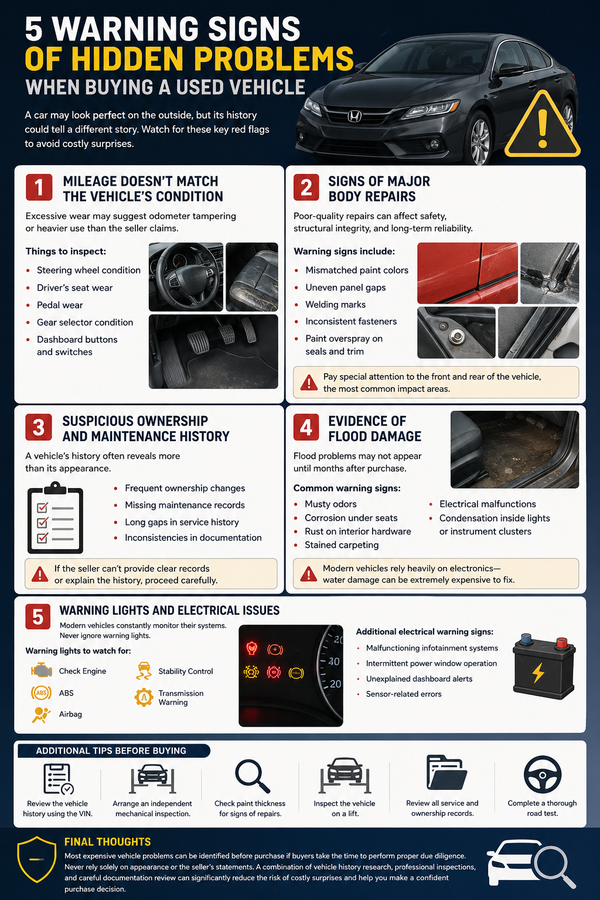
A vehicle history report can reveal important information that may not be obvious during a visual inspection, including:
- previous accidents;
- title brands;
- flood damage;
- salvage history;
- odometer inconsistencies;
- ownership records;
- maintenance history, when available.
Spending a little extra time researching a vehicle before purchase may help avoid unexpected repair costs later.
Looking Ahead
Market analysts expect used vehicle prices to remain relatively firm throughout much of 2026 unless new vehicle production increases substantially or financing conditions improve.
For buyers, patience and careful research remain the best strategy. While prices may be higher than they were a year ago, understanding a vehicle's condition and history is still one of the most effective ways to make a confident purchase.
Source
New York Post — Used car prices hit their highest level in nearly three years as wholesale demand stays strong, based on data from Cox Automotive / Manheim Used Vehicle Value Index.